Men’s Sexual Health
Urology
Pregnancy & Miscarriage
Gynecology
Obstetrics
Breast Health
Gynecology
Asthma
Respiratory (Pulmonology)
Scabies
Skin (Dermatology)
Ringworm
Skin (Dermatology)
Nasal Issues & Nosebleed
Ear Nose Throat (ENT)
Pain Management
Pain Management
Blood Disorder
Blood Disorders (Hematology)
Exercises for Stroke, Epilepsy, Triglycerides & Weight Loss
Physiotherapy and Rehabilitation
Neurology
Heart (Cardiology)
Vitamin Deficiency
Clinical Nutrition And Dietetics
Cochlear Implant
Ear Nose Throat (ENT)
Cholesterol & Triglycerides
Endocrinology
Heart (Cardiology)
Gallbladder Stone
Gastroenterology
General Surgery
Epilepsy
Neurology
Cancer and Tumour
Cancer (Oncology)
Diabetes
Endocrinology
Anal Tumour
Cancer (Oncology)
Gastroenterology
Allergy
Skin (Dermatology)
Blood Pressure Management
Heart (Cardiology)
PCOS
Gynecology
Abdominal Tumour
Cancer (Oncology)
Gastroenterology
Headache and Migraine
Neurology
Liver Transplant
Liver Disease (Hepatology)
Organ Transplant
Ovarian Cyst
Gynecology
Kidney Stone
Nephrology (Renal Kidney)
Urology
Piles & Fistula
General Surgery
Throat Cancer
Cancer (Oncology)
Ear Nose Throat (ENT)
Psoriasis Treatment
Skin (Dermatology)
Ear
Ear Nose Throat (ENT)
COVID-19
Infectious Disease
Brain Stroke
Neurology
Breast Tumour
Cancer (Oncology)
Gynecology
Bone Cancer
Cancer (Oncology)
Orthopaedics and Spine
Eye
Eye (Ophthalmology)
Colon Cancer
Cancer (Oncology)
Gastroenterology
Urinary Problems
Urology
Heart Treatment
Heart (Cardiology)
Appendicitis
General Surgery
Gastric and Indigestion
Gastroenterology
Liver Disease
Liver Disease (Hepatology)
Thyroid Disorders
Endocrinology
Brain Tumour
Neurosurgery
Cancer (Oncology)
Prostate Cancer
Cancer (Oncology)
Liver Cancer
Cancer (Oncology)
Liver Disease (Hepatology)
Kidney Cancer
Cancer (Oncology)
Nephrology (Renal Kidney)
Lung Cancer
Cancer (Oncology)
Respiratory (Pulmonology)
Cervical Cancer
Cancer (Oncology)
Gynecology
Bone Marrow Transplant
Cancer (Oncology)
Blood Cancer
Cancer (Oncology)
Blood Disorders (Hematology)
Breast Cancer
Cancer (Oncology)
Home
/
Treatment
/
Breast Health

Breast Health Treatment for Bangladeshi Patients Worldwide

What is Breast Health?

Breast health covers the proper functioning and condition of the breasts at every stage of life. Breasts undergo various changes in a woman’s life. While many are harmless, some symptoms, like pain, swelling, or unusual discharge, may need medical attention.

One common concern is breast pain, which can stem from hormonal shifts, infections, or tight clothing. In breastfeeding women, breast infections can develop if milk ducts become blocked, causing discomfort and sometimes fever. Early diagnosis is important.

It’s a myth that breast issues only affect older women or those who have breastfed. In reality, problems like sagging, discomfort, or nipple changes can affect younger women, too. Many also feel unsure about seeking help for personal issues like pain or appearance, but understanding breast health helps break that hesitation.

Learning about common problems, recognising warning signs, and knowing when to seek medical care empowers women to take control of their health and well-being.

If you experience persistent breast pain, unusual lumps, swelling, discharge, or any other concerning symptoms, consult a qualified healthcare provider.

Why Do People Need Breast Health Treatment?

People need breast health treatment to manage pain, prevent infections, correct structural issues, and detect serious conditions early. Ignoring breast problems can lead to complications like abscesses, long-term discomfort, or even delayed diagnosis of more serious illnesses. With proper care, many breast issues, such as breast pain, breast sagging, or breast infections. Timely treatment works well and prevents complications.

Causes of Breast Issues

The few common causes that affect breast health are:

  • Hormonal changes - Fluctuations during menstruation, pregnancy, or menopause can lead to breast tenderness, swelling, or lumps.
  • Infections - Blocked milk ducts or bacteria entering the breast tissue can cause painful infections, especially in breastfeeding women.
  • Improper bra support - Wearing ill-fitting bras may lead to sagging, discomfort, or back and shoulder pain over time.
  • Ageing and gravity - Natural loss of skin elasticity and muscle tone with age often contributes to changes in breast shape and firmness.
  • Nipple or duct abnormalities - Conditions like inverted nipples or blocked milk ducts can cause discomfort or functional difficulties, especially during lactation.
  • Injury or trauma - Blows to the chest or pressure from activities can cause pain, bruising, or tissue damage.
  • Underlying medical conditions - Fibrocystic breast changes, cysts, or more serious conditions like tumours may cause lumps, pain, or discharge.
  • Poor breastfeeding technique - Can lead to sore nipples, engorgement, or pumping difficulties.

Causes of Sagging Breasts

Sagging breasts, also known as breast ptosis, occur when the breast tissue loses firmness and elasticity. While it’s a natural part of ageing, several factors can speed up the process:

  • Ageing - As women get older, skin and ligaments lose elasticity, leading to sagging.
  • Pregnancy and breastfeeding - Hormonal changes and weight fluctuations during pregnancy and breastfeeding stretch the breast tissue.
  • Weight changes - Gaining and losing weight repeatedly can stretch the skin and affect breast shape.
  • Lack of support - Not wearing a properly fitted bra can increase strain on breast tissue, especially during exercise.
  • Smoking - Smoking breaks down collagen, the protein that keeps skin firm and elastic.

Understanding these causes is the first step toward knowing what to do for sagging breasts. With the right support, lifestyle choices, and care, it is possible to improve breast health and maintain shape.

Common Symptoms of Breast Issues

Breast issues can present with a range of symptoms, from mild discomfort to noticeable changes in appearance or function. Recognising these signs early can help in timely diagnosis and treatment.

  • Breast pain or tenderness - May occur in one or both breasts, often linked to hormonal changes or underlying conditions.
  • Swelling or lump formation - Noticeable masses, hard or soft, can be a sign of infection, cysts, or other growths.
  • Redness or warmth - Inflamed skin over the breast may suggest infection or irritation.
  • Nipple discharge - Any unexpected fluid from the nipple, including clear, white, or bloody discharge, could indicate an issue.
  • Changes in nipple shape - Inversion, flattening, or unusual positioning of the nipple can be a symptom of structural or medical problems.
  • Skin changes - Dimpling, flaking, or puckering of the breast skin may signal an underlying concern.
  • Itching or irritation - Persistent itching around the nipple or breast area might be linked to infections or dermatitis.
  • Breast firmness or heaviness - Unusual tightness or a feeling of heaviness may point to congestion or blocked ducts.

Symptoms of Breast Infection

Breast infections, most common during breastfeeding, can cause discomfort and swelling. The symptoms are:

  • Breast pain or tenderness - Usually in one breast, often accompanied by warmth or swelling.
  • Redness of the skin - The affected area may look red, inflamed, or develop a rash.
  • Swelling or hardness - The breast may feel lumpy, firm, or swollen.
  • Warmth in the breast - The infected area often feels hot to the touch.
  • Fever and chills - A common sign that the infection is spreading.
  • Nipple discharge - Pus or unusual fluid may come from the nipple.
  • Fatigue - General tiredness or feeling unwell can accompany the infection.

When Do These Symptoms Lead to Treatment?

These symptoms require medical attention when they persist, worsen, or are linked to an underlying condition. A doctor will usually recommend further evaluation if symptoms do not improve with basic care or raise concerns during a physical exam.

How to Detect Breast Health Issues?

Early detection plays a key role in treating breast problems effectively. If a doctor suspects an underlying issue, they may recommend the following methods:

  • Clinical breast examination - A physical check-up to feel for lumps, pain, or changes in breast tissue.
  • Mammogram - An X-ray of the breast used to detect early signs of lumps or abnormalities.
  • Ultrasound - Often used to examine breast lumps and distinguish between solid masses and fluid-filled cysts.
  • Breast MRI - A more detailed scan for high-risk patients or unclear mammogram results.
  • Biopsy - A sample of breast tissue is taken and tested in a lab to confirm or rule out cancer or other conditions.

What to do for Sagging Breasts

Sagging breasts, medically called breast ptosis, are a natural part of ageing, pregnancy, weight changes, and hormonal shifts. While it's common, there are effective ways to manage or improve breast firmness.

Lifestyle Tips to Improve Breast Appearance

  • Wear a well-fitting bra: Supportive bras, especially during exercise, help reduce strain on breast tissue.
  • Maintain a healthy weight: Rapid weight gain or loss can stretch skin and cause sagging.
  • Strengthen chest muscles: Exercises like push-ups, chest presses, and dumbbell flyes improve the pectoral muscles, giving breasts a lifted look.
  • Hydrate and moisturise: Keeping the skin hydrated with creams or oils improves elasticity over time.
  • Avoid smoking: Smoking breaks down elastin in the skin, contributing to sagging.

Medical and Cosmetic Options

  • Non-surgical treatments such as laser or radiofrequency therapies claim to tighten skin, but results vary.

Results from lifestyle changes, exercises, or non-surgical treatments for breast sagging can vary. Always consult a qualified healthcare professional.

Breastfeeding Challenges and Care for New Mothers

Breastfeeding is a natural and important part of nurturing a newborn, but it can come with challenges, especially for first-time mothers. Understanding common concerns and learning how to manage them can make the experience more comfortable and successful.

  • Breast milk is the ideal source of nutrition for babies, providing essential antibodies and nutrients. However, some mothers may struggle with milk supply, latching issues, or discomfort in the early days.
  • Breast pumping can be a helpful solution for working mothers, those with latching difficulties, or in cases where direct breastfeeding is not possible. It allows mothers to store breast milk and maintain their supply while allowing others to feed the baby.
  • An inverted nipple, where the nipple turns inward instead of outward, can make latching difficult. In many cases, with gentle techniques and support from a lactation consultant, babies can still breastfeed effectively. Special nipple shields or pumping before feeding may also help draw the nipple out.

  • Breastfeeding itself can sometimes cause sore nipples, engorgement, or blocked ducts. Proper positioning, regular feeding or pumping, and breast care are key to preventing complications.

With the right guidance, support, and tools, most breastfeeding challenges can be managed effectively, ensuring both mother and baby get the full benefit of this vital bonding process. Breastfeeding experiences vary for every mother. If you experience pain, persistent latching issues, low milk supply, or any other breastfeeding challenges, consult a certified lactation consultant or healthcare provider for personalised support and treatment.

Medicine for Breast Pain

Treatment for breast pain depends on the cause. In many cases, over-the-counter or prescribed medicines may help relieve discomfort:

  • Paracetamol or Ibuprofen - Common pain relievers to reduce breast tenderness and inflammation.
  • Topical NSAIDs - Anti-inflammatory gels or creams applied directly to the painful area.
  • Evening Primrose Oil or Vitamin E - Sometimes recommended for cyclical breast pain linked to hormonal changes.
  • Hormonal therapy - In some cases, doctors may prescribe hormonal treatments to manage persistent breast pain.

Always consult a doctor before starting any medication. The right treatment depends on the underlying cause, and self-medication may delay proper diagnosis or worsen symptoms.

If you experience any of these breast health symptoms for more than a few weeks, it is important to seek medical advice. Early diagnosis and treatment offer the best chances of recovery, especially if the condition is detected before it progresses. If you or your loved ones notice any of these signs, Bangla Health Connect connects you with trusted breast specialists worldwide.

Get expert Breast Health Treatment Abroad
We assist Bangladeshi patients with breast health treatment abroad, including consultations, hospital selection and comprehensive support.

Why Choose Trusted Hospitals Worldwide for Breast Health Treatment?

Through Bangla Health Connect, Bangladeshi patients can access world-class hospitals in India, Thailand, and other leading destinations that specialise in diagnosing and treating breast health conditions, including breast infections, lumps, and breast cancer.

Many families prefer travelling abroad for treatment because of the expertise, advanced technology, and affordable costs available through these hospitals.

Here’s why Bangladeshi patients choose breast health treatment with Bangla Health Connect’s trusted hospital network:

  • Experienced Breast Surgeons and Oncologists
    Leading hospitals have skilled specialists in breast surgery and oncology who provide precise diagnosis and care for conditions such as breast pain, infections, lumps, and cancer, following international treatment standards.
  • Advanced diagnostic and treatment facilities
    Centres use 3D mammography, breast ultrasound, MRI, image-guided biopsy, and onco-plastic surgery for precise diagnosis and effective treatment.
  • Comprehensive care under one roof
    From screening and diagnosis to surgery, reconstruction, and rehabilitation, patients receive all services in one hospital for a smoother experience.
  • Affordable treatment options
    India and Thailand
    offer quality care at a fraction of Western costs, making advanced treatments accessible for Bangladeshi families.
  • Short waiting times
    Patients can get consultations, tests, and surgeries quickly, which is crucial for managing infections, lumps, or early cancer.
  • Bangla Health Connect support
    Several hospitals provide English-speaking staff, while Bangla Health Connect ensures added comfort with Bengali-speaking coordinators and continuous guidance from consultation to recovery.

Bangla Health Connect helps Bangladeshi patients receive safe, high-quality, and affordable breast health care across trusted global destinations.

Trusted Hospitals Worldwide Offering the Best Breast Health Treatment for Bangladeshi Patients

Bangla Health Connect connects Bangladeshi patients with leading hospitals that specialise in breast health, breast cancer care, and reconstructive treatments. These centres are recognised for their experienced doctors, modern imaging and diagnostic tools, and advanced breast surgery and rehabilitation services. Patients receive comprehensive, accurate, and compassionate care abroad, ensuring early detection, effective treatment, and long-term recovery.

Manipal Hospitals, EM Bypass, Kolkata

This is some text inside of a div block.
127, Mukundapur, E.M. Bypass, Kolkata 700099, West Bengal

Manipal Hospitals Mukundapur, Kolkata

This is some text inside of a div block.
223 & 230, Barakhola Lane, Purba Jadavpur, Mukundapur, Kolkata – 700 099, West Bengal, India

Manipal Hospitals Dhakuria, Kolkata

This is some text inside of a div block.
P-4 & 5, C.I.T Scheme – LXXII, Block A, Gariahat Road, Dhakuria, Kolkata – 700 029, West Bengal, India

Desun Hospital, Kolkata

This is some text inside of a div block.
Desun More, 720, Eastern Metropolitan Bypass, Golpark, Sector I, Kasba, Kolkata, West Bengal 700107, India

Peerless Hospital, Kolkata

This is some text inside of a div block.
360, Panchasayar Rd, Sahid Smirity Colony, Pancha Sayar, Kolkata, West Bengal 700094, India

CMRI – Calcutta Medical Research Institute, Kolkata

This is some text inside of a div block.
7/2 Diamond Harbour Road, New Alipore, Kolkata 700027, West Bengal, India.

BM Birla Heart Hospital, Kolkata

This is some text inside of a div block.
1/1, National Library Avenue, Alipore, Kolkata, West Bengal 700027, India

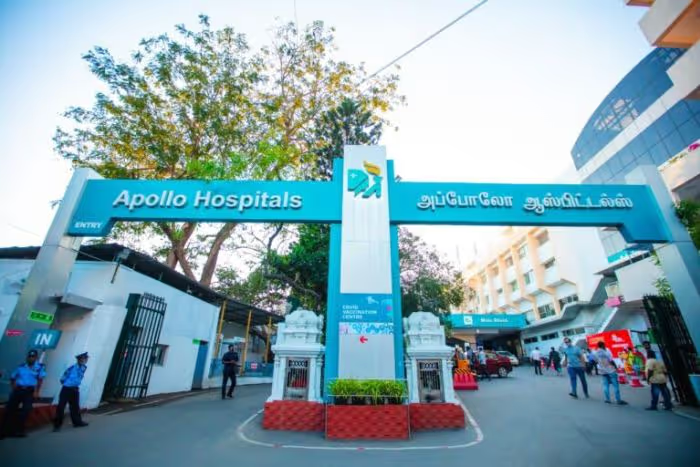
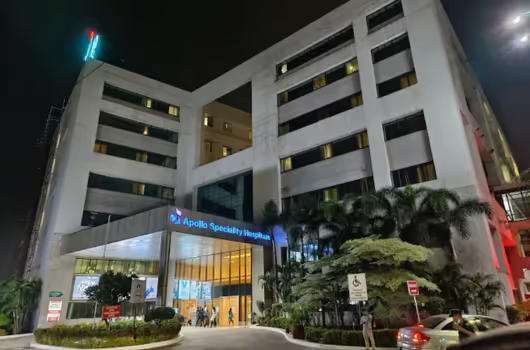
Apollo Hospital Kolkata, Salt Lake

This is some text inside of a div block.
Apollo Multispeciality Hospital, Kolkata, 58, Canal Circular Rd, Kadapara, Phool Bagan, Kankurgachi, Kolkata, West Bengal 700054

Manipal Hospital, Rangapani

This is some text inside of a div block.
Vill & P.O. Rangapani, Dist. Darjeeling, West Bengal - 734434

Manipal Hospital Siliguri

This is some text inside of a div block.
Meghnad Saha Sarani, Pradhan Nagar, Siliguri, West Bengal - 734003

Desun Hospital, Siliguri

This is some text inside of a div block.
Beside Medical College, Siliguri, Kwakhali, West Bengal 734012, India

Manipal Hospital, Bangalore

This is some text inside of a div block.
98, HAL Old Airport Road, Kodihalli, Bengaluru, Karnataka – 560017, India

Apollo Bangalore, Bannerghatta Road

This is some text inside of a div block.
Apollo Hospitals Bangalore, Bannerghatta Road, Opp. IIM, 154/11, Bannerghatta Road, Bangalore, Karnataka – 560076

Kauvery Hospital Alwarpet, Chennai

This is some text inside of a div block.
81, TTK Road Junction, CIT Colony, Alwarpet, Chennai, Tamil Nadu 600018

SIMS Hospital – SRM Institutes for Medical Science, Vadapalani, Chennai

This is some text inside of a div block.
Metro No.1 Jawaharlal Nehru Road, Landmark:, next to Vadapalani, Chennai, Tamil Nadu 600026

MGM Healthcare, Chennai

This is some text inside of a div block.
MGM Healthcare Pvt Ltd No. 72, Old No. 54, Nelson Manickam Road, Aminjikarai, Chennai – 600029, Tamil Nadu, India

Apollo Chennai, Greams Road

This is some text inside of a div block.
Apollo Hospital Chennai, Greams Lane, 21, Greams Rd, Thousand Lights, Chennai, Tamil Nadu 600006

Apollo Chennai, Vanagaram

This is some text inside of a div block.
Apollo Hospitals, Plot No, 64, Vanagaram-Ambattur Rd, Ayanambakkam, Ambattur Industrial Estate, Chennai, Tamil Nadu 600095

Manipal Hospitals Dwarka, Delhi

This is some text inside of a div block.
Sector 6, Dwarka, New Delhi – 110075, India

Max Super Speciality Hospital, Saket

This is some text inside of a div block.
12, Press Enclave Marg, Saket Institutional Area, Saket, New Delhi, Delhi 110017

Max Smart Super Speciality Hospital, Saket

This is some text inside of a div block.
Press Enclave Marg, Saket District Centre, Saket, New Delhi – 110017, India.

BLK-Max Super Speciality Hospital, New Delhi

This is some text inside of a div block.
Pusa Road, Rajendra Place, New Delhi – 110005, India

Apollo Hospital Delhi

This is some text inside of a div block.
Apollo Hospital Delhi, Indraprastha Apollo Hospitals, Mathura Rd, Sarita Vihar, New Delhi, Delhi 110076

Apollo Hospital Hyderabad, Jubilee Hills

This is some text inside of a div block.
Apollo Hospital Jubilee Hills Hyderabad, Rd Number 72, opposite Bharatiya Vidya Bhavan School, Film Nagar, Hyderabad, Telangana 500033

Nanavati Max Super Speciality Hospital, Mumbai

This is some text inside of a div block.
Swami Vivekananda Road, near LIC Colony, Vile Parle West, Mumbai – 400056.

Apollo Hospital Mumbai

This is some text inside of a div block.
Apollo Hospital Mumbai Plot # 13, Off Uran Road, Parsik Hill Rd, Sector 23, CBD Belapur, Navi Mumbai, Maharashtra 400614

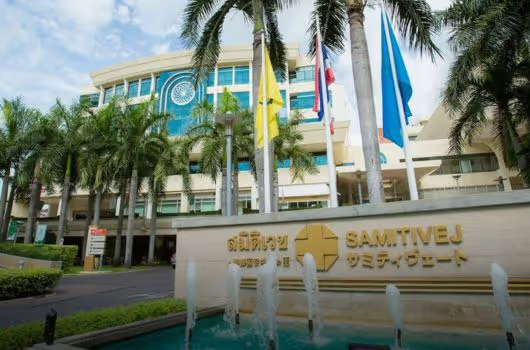
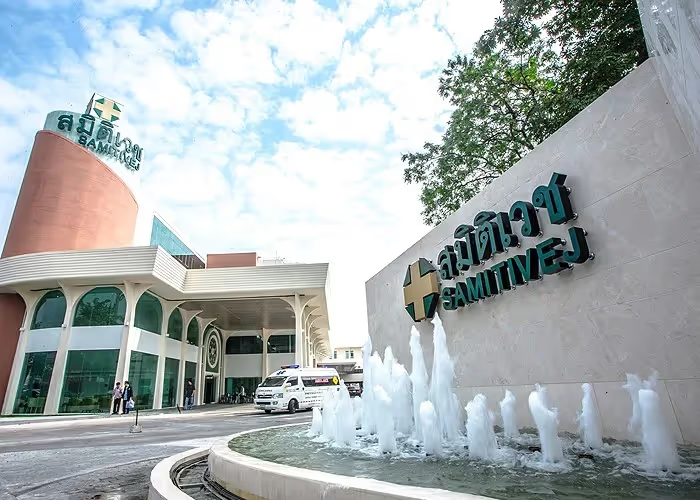
Samitivej Sukhumvit Hospital, Bangkok

This is some text inside of a div block.
Samitivej Hospital, 133 Sukhumvit 49 (Soi 49), Khlong Tan Nua, Watthana, Bangkok 10110, Thailand

Samitivej Srinakarin Hospital

This is some text inside of a div block.
Samitivej Srinakarin Hospital 488 Srinakarin Road (also spelled “Srinagarindra Rd.”), Suan Luang District, Bangkok 10250, Thailandsrinakarin

Samitivej Thonburi Hospital, Bangkok

This is some text inside of a div block.
337, Somdet Phra Chao Tak Sin Rd, Khwaeng Samre, Khet Thon Buri, Krungthep Mahanakorn 10600, Thailand

These hospitals follow international treatment guidelines and provide full support for Bangladeshi patients through Bangla Health Connect.

Cost of Breast Health Treatment

The average cost of breast health treatment in India ranges from $400 to $1,200, while in Thailand it ranges from $1,800 to $3,000. The final cost depends on several factors including the type of treatment, hospital location, and patient’s diagnosis. Before reviewing the detailed cost tables below, it helps to understand what influences these expenses most.

Factors That Affect The Cost

  • Type of treatment (infection management, biopsy, reconstruction, or cancer surgery)
  • Severity and stage of the condition (benign vs malignant)
  • Length of hospital stay
  • Use of advanced equipment or specialist care

Cost Breakdown of Breast Health Treatment in India

Breast Biopsy
Approximate Cost in USD
$350 - $550
Approximate Cost in INR
₹30,000 - ₹45,000
Approximate Cost in BDT
৳42,000 - ৳64,000
Inverted Nipple Correction
Approximate Cost in USD
$300 - $1,200
Approximate Cost in INR
₹25,000 - ₹1,00,000
Approximate Cost in BDT
৳35,000 - ৳1,40,000
Breast Infection Treatment
Approximate Cost in USD
$350 - $650
Approximate Cost in INR
₹30,000 - ₹55,000
Approximate Cost in BDT
৳42,000 - ৳78,000
Sagging Breast Correction (Breast Lift)
Approximate Cost in USD
$600 - $1,200
Approximate Cost in INR
₹50,000 - ₹1,00,000
Approximate Cost in BDT
৳70,000 - ৳1,42,000

Note: India is well known for providing cost-effective advanced breast health treatments. Hospitals combine affordability with strong clinical outcomes, supported by skilled doctors and advanced medical facilities.

Cost Breakdown of Breast Health Treatment in China

No items found.

Cost Breakdown of Breast Health Treatment in Thailand

Breast Biopsy
Approximate Cost in USD
$500 - $800
Approximate Cost in THB
฿15,000 - ฿25,000
Approximate Cost in BDT
৳61,200 - ৳97,800
Inverted Nipple Correction
Approximate Cost in USD
$600 - $1,400
Approximate Cost in THB
฿19,400 - ฿45,100
Approximate Cost in BDT
৳73,400 - ৳171,500
Sagging Breast Correction (Breast Lift)
Approximate Cost in USD
$3,000 - $4,300
Approximate Cost in THB
฿96,700 - ฿138,600
Approximate Cost in BDT
৳366,900 - ৳525,000

Note: Thailand’s hospitals are regarded as premium destinations for international breast health treatment. Their slightly higher costs reflect the use of imported medical devices, advanced imaging, luxury infrastructure, and comprehensive patient care packages.

The costs listed above are approximate and may vary depending on the hospital, city, and individual treatment plan. Consult your healthcare provider for precise estimates.

The currency conversion rates in the table above are based on data from December 2025.

For detailed cost guidance and hospital-specific quotes, contact Bangla Health Connect.

Success & Outcomes of Breast Health Treatment

Success in breast health treatment means effectively managing or curing the condition, restoring breast function or appearance, and helping the patient return to a healthy, confident life.

Understanding Success Rates

A study found that ultrasound-guided aspiration and irrigation, with or without local antibiotic instillation, was highly effective for breast abscesses. A breast abscess is a painful, pus-filled lump that develops in the breast due to infection, usually involving the milk ducts or breast tissue. 96% of those who completed treatment were cured without surgery, and even when including those who dropped out early, the overall cure rate was 88%. Among abscesses larger than 25 mm treated with local cephradine injection, the success rate rose to 93%. This minimally invasive method avoids scarring, supports continued breastfeeding, and significantly reduces the need for surgical drainage.

Disclaimer: Cephradine injection is a prescription-only medicine. It should only be taken under the guidance of a qualified doctor. Do not self-administer antibiotics or injections without medical supervision.

What Does Success Mean?

  • Complete removal or control of breast lumps, infections, or cancer
  • No recurrence of the condition after treatment
  • Preservation or restoration of breast shape, appearance, and function
  • Relief from pain, discomfort, or breastfeeding difficulties
  • Improved confidence and quality of life

Approach of Leading Hospitals for Breast Health Treatment

Leading hospitals follow a clear, patient-centred path for breast health care - from early detection to recovery.
  • Accurate diagnosis: Digital mammogram, breast ultrasound, MRI, and needle biopsy (core or vacuum-assisted) to confirm the problem and plan care.
  • Breast-conserving surgery: Lumpectomy with clear margins, oncoplastic techniques for shape, and sentinel lymph node biopsy to reduce arm complications.
  • Reconstruction options: Implant or flap-based reconstruction, done either at the same time as surgery or later, based on the patient’s needs.
  • Non-cancer care: Treatment for abscess (ultrasound-guided aspiration and antibiotics), cysts, fibroadenoma, pain management, and help for breastfeeding issues.
  • Cancer therapies: Chemotherapy, hormone therapy, targeted drugs (for example, HER2 or CDK4/6), immunotherapy, and precise radiation (3D-CRT/IMRT, hypofractionation, partial-breast).
  • Team review: Multidisciplinary meetings where surgeons, oncologists, radiologists, and pathologists agree on a simple, personalised plan.
  • Support and rehab: Pain control, physiotherapy, lymphoedema care, counselling, nutrition advice, and lactation support where needed.
  • Follow-up and survivorship: Clear schedules for checks, imaging, and lifestyle guidance to lower the risk of recurrence and improve quality of life.

Expert Insights

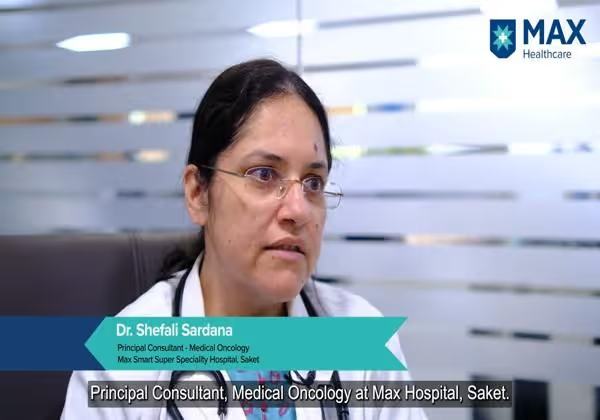
Dr. Shefali Sardana, Medical Oncologist at Max Smart Hospital, speaking about breast cancer screening

Dr. Shefali Sardana, Principal Consultant, Medical Oncology at Max Smart Super Speciality Hospital, Saket, explains:

Breast cancer is curable if detected early, which is why screening before symptoms appear is important. The goal of screening is to identify cancer at an early stage when it can be cured. Doctors consider factors such as age, family history and exposure to carcinogens when recommending screening. Common tests include breast self-examination to check for any abnormal findings, mammograms which are an X-ray of the breast to detect cancer early, and MRI for women with a family history. Regular screening and timely doctor consultation support early detection.

How Bangla Health Connect Supports Bangladeshi Patients

Bangla Health Connect helps Bangladeshi patients access expert care for breast health and breast cancer treatment worldwide. We work closely with world-recognised hospitals to ensure a smooth and stress-free journey - from consultation to recovery.

Medical Guidance for Breast Health Treatment

Travel Assistance for Breast Health Care

Cost Transparency for Breast Health Treatment

Bangla Health Connect makes every step simple and supportive, from travel arrangements to continuous medical coordination, ensuring Bangladeshi patients receive high-quality care abroad with peace of mind.

With over 60,000 Bangladeshi patients assisted, Bangla Health Connect has built strong trust through clarity, compassion, and reliable support.

Contact Bangla Health Connect today to begin your treatment journey with trusted assistance at every step.

Note: Bangla Health Connect does not provide medical advice of any kind.
Patient Stories

A Bangladeshi Patient’s Breast Cancer Treatment at Nanavati Max Hospital

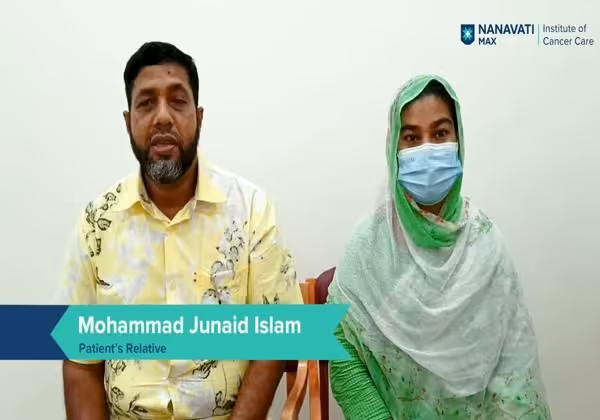
Patient Rujina Akhtar with her relative sharing their breast cancer treatment experience at Nanavati Max Hospital

Rujina Akhtar from Bangladesh was diagnosed with ER/PR-positive breast cancer at the age of 39. When she arrived at Nanavati Max Hospital, her tumour was large in relation to her breast size, making conservation difficult. Dr. Garvit Chitkara and his team removed one quadrant of the breast and reconstructed it using an oncoplastic technique. Her surgical margins were clear, and a sentinel lymph node biopsy was performed. She was satisfied with the cosmetic outcome and was also offered genetic counselling and testing to assess the cause of developing breast cancer at a young age.

Apollo Chennai Helped Mrs. Ayesha Beat Stage III Breast Cancer

Mrs. Ayesha, a 50-year-old woman from Dhaka, was diagnosed with stage III breast cancer. She received comprehensive treatment at Apollo Hospitals Chennai, which included surgery, chemotherapy, and radiation therapy under the expert care of Dr. Meera and Dr. Ravi. The treatment led to a significant reduction in her tumour, and she successfully entered remission. Throughout the process, her doctors effectively managed side effects, helping her maintain a good quality of life.

Step-by-Step: How to Get Started with Bangla Health Connect

✅ Share Your Reports - Bangla Health Connect connects you with trusted hospitals worldwide.
✅ Get treatment plans from leading Hospitals worldwide
✅ Choose the one that fits you
✅ Let us handle the rest

FAQs

What are common breast health problems?

Common breast health issues include breast pain, lumps, infections, nipple discharge, sagging breasts, and changes in breast size or skin. These may be due to hormonal changes, infections, cysts, fibroadenomas, or, in rare cases, breast cancer. Symptoms can differ for each person, so any persistent or unusual changes should be evaluated by a qualified healthcare professional.

How can I detect breast problems early?

Watch for signs like persistent pain, lumps, inverted nipples, swelling, or unusual discharge. Self-examination once a month and clinical breast exams or mammograms after age 40 (or earlier if at high risk) can help detect issues early. Screening frequency and methods may vary by age and risk factors, so it’s best to follow your doctor’s recommendation for regular check-ups.

What should I do if I notice breast pain, a lump, or changes?

Consult a breast specialist or gynaecologist immediately. Early diagnosis through ultrasound, mammogram, or biopsy can rule out serious issues and start timely treatment if needed. Every situation is different, so it’s best to let a doctor assess your condition before starting treatment.

Can I continue breastfeeding if I have breast pain or infection?

In most cases, yes. Breastfeeding is often safe during mild infections or blocked ducts. Always consult a lactation consultant or doctor to manage pain and ensure your baby’s safety. The right approach depends on your condition and your doctor’s guidance.

How long do I need to stay abroad for breast health treatment?

Most diagnostic and minor surgical procedures can be completed in 7 to 14 days. If advanced surgery or breast cancer treatment is required, the stay may extend to 3 to 6 weeks, depending on the recovery period and type of procedure. The exact duration depends on the treatment plan and how well a patient recovers.

Will Bangla Health Connect assist me with the entire process?

Yes. Bangla Health Connect provides end-to-end assistance, from booking consultations with trusted breast specialists and arranging hospital care to helping with visas, travel, accommodation, and ongoing support during your stay abroad.

Need help with Hospitals in India?
Chennai . Delhi . Mumbai . Kolkata . Hyderabad . Banglore . Kochi . Ahmedabad
Doctor Appointment | Indian Medical Visa Invitation Letter | Second Opinion | Cost of Treatment | Flight Ticket