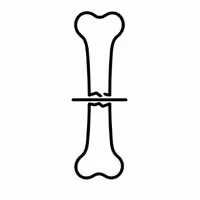
Fracture fixation surgery is a medical procedure that helps repair broken bones using special devices like metal plates, rods, screws, or pins. The goal is to keep the broken bone pieces in place so they can heal properly and quickly.
This surgery is often needed when a bone breaks due to a road accident, fall, or trauma, and cannot heal correctly with just a cast or splint. In some cases, bones are badly displaced or crushed, making surgery the safest and most effective option.
There are two main types of fracture fixation:
Modern techniques allow surgeons to perform these procedures using minimally invasive methods, which means smaller cuts, less pain, and faster recovery.
Fracture fixation surgery helps restore normal bone shape, reduces long-term disability, and allows patients to return to walking, working, or daily life activities much sooner.
Fracture fixation surgery is often needed when a broken bone is too unstable or misaligned to heal on its own. In such cases, surgery ensures that the bone is held firmly in the right position, allowing it to heal quickly and correctly.
While minor fractures may heal with a cast or splint, complex or displaced fractures usually need surgical intervention. Surgery also reduces long-term complications and helps patients return to normal activities faster.
Fracture fixation surgery is often required when the bone is broken due to trauma or stress. The most common causes include:
A broken bone that requires surgery usually presents with some or all of the following symptoms:
Doctors suggest fracture fixation surgery when:
Timely surgical intervention helps restore mobility, relieve pain, and prevent long-term disability. Bangla Health Connect is here to guide you every step of the way, helping you access the right care at the right time.
.png)
Through Bangla Health Connect, Bangladeshi patients can access world-class hospitals in India, Thailand, and other leading countries that specialise in fracture management and bone reconstruction. Many patients travel abroad to receive advanced orthopaedic care, accurate diagnosis, and modern fixation techniques that ensure faster recovery, improved mobility, and minimal complications.
For Bangladeshi patients, Bangla Health Connect provides a reliable bridge to trusted hospitals offering expert fracture fixation and trauma care, combining precision surgery, affordability, and compassionate rehabilitation for a complete and confident recovery.
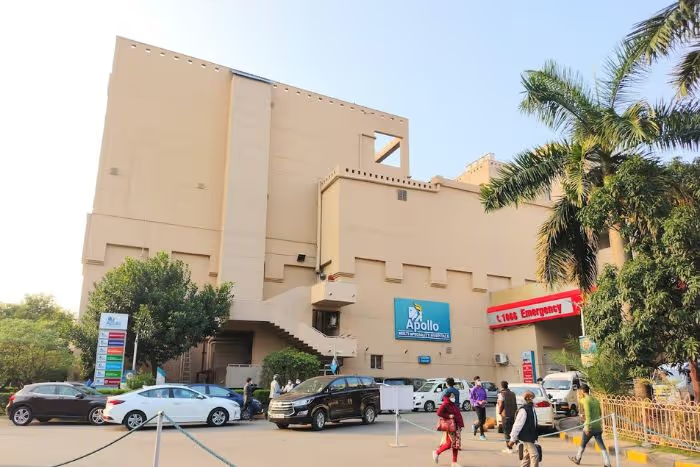
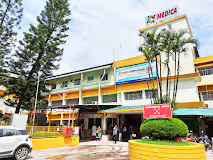
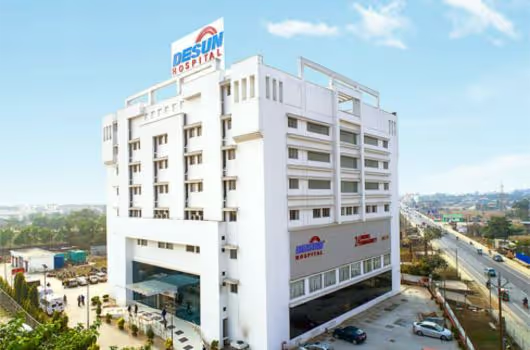
Bangla Health Connect connects Bangladeshi patients with leading hospitals that specialise in orthopaedics, trauma care, and bone reconstruction surgery. These hospitals are renowned for their skilled orthopaedic and trauma surgeons, advanced diagnostic imaging, and modern fixation techniques that ensure proper bone alignment, stability, and fast healing after fractures or complex injuries.
Some of the leading hospitals are:


.avif)



.avif)
.avif)
.avif)
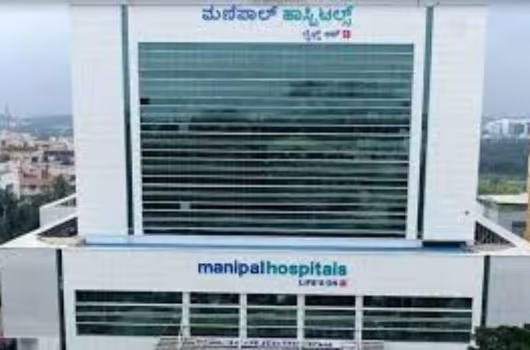


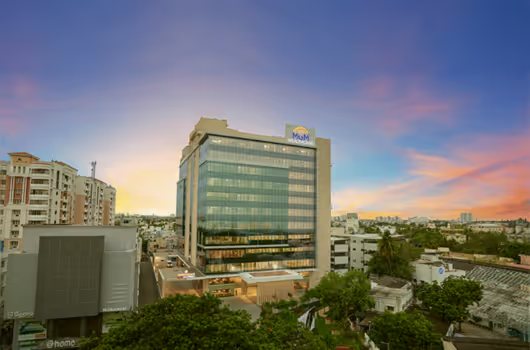
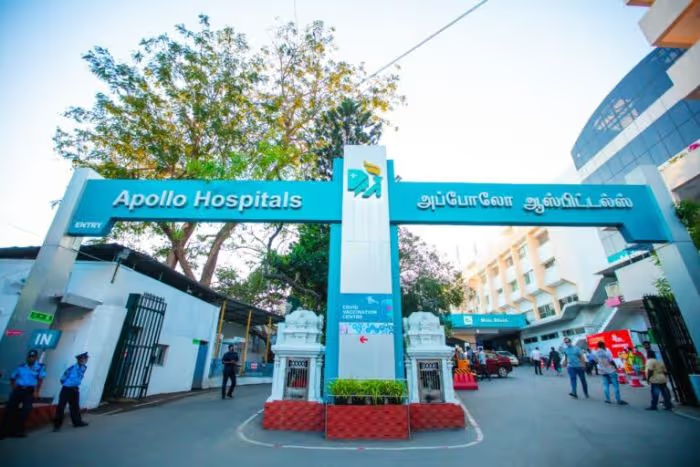
.avif)
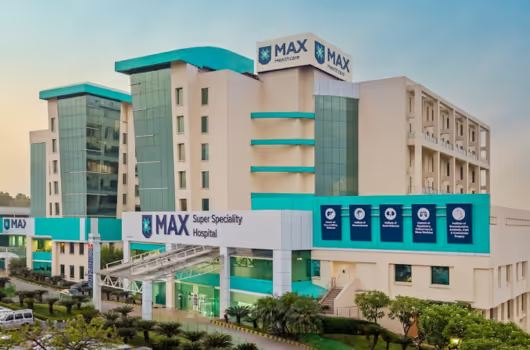

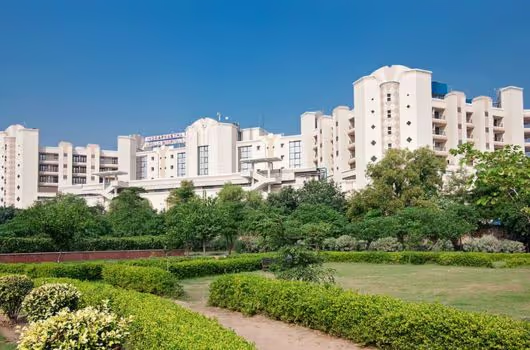

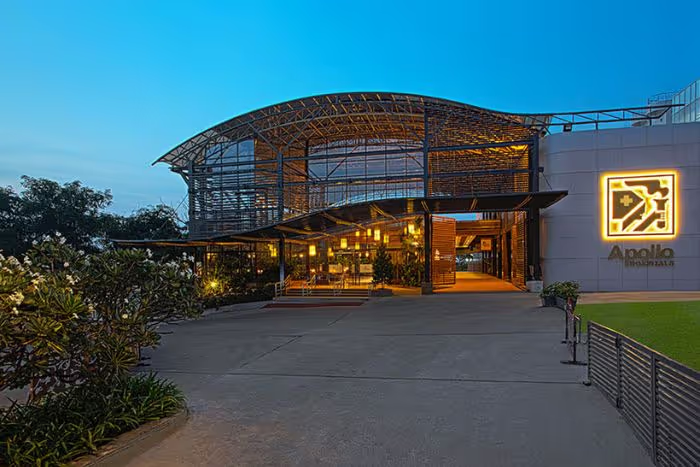

.avif)
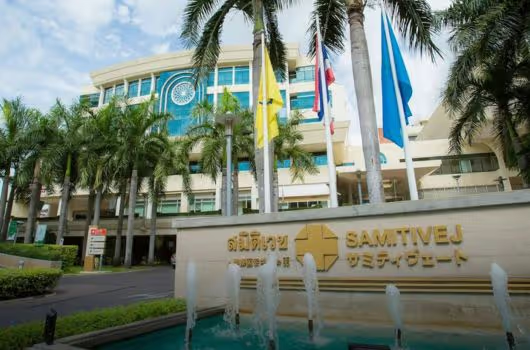
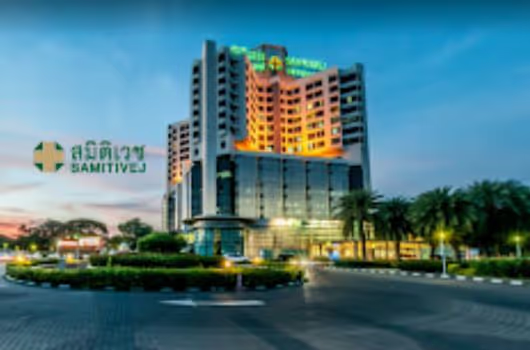
These hospitals follow international treatment guidelines and provide full support for Bangladeshi patients through Bangla Health Connect.
The average cost of fracture fixation surgery in India ranges $700 to $2,200, and from $5000 to $10,000 in Thailand. The final cost may vary based on multiple factors such as the surgical procedure, hospital location, and severity of the fracture. Before viewing the detailed table of treatment-wise costs, it's helpful to understand what influences these expenses most.
Note: India is well known for offering cost-effective advanced treatment. Hospitals combine affordability with strong clinical outcomes, supported by skilled experts and the widespread availability of generic medicines.
Note: Thailand’s hospitals are often promoted as premium destinations for international patients. Their higher costs reflect the use of advanced imported medicines, luxury infrastructure, and all-inclusive patient care packages.
The costs listed are approximate and may vary based on hospital, location, and patient needs. Consult the healthcare provider for accurate and updated information.
The currency conversion rates in the table above are based on data from April 2026.
For more help on cost estimates and personalised guidance, contact Bangla Health Connect.
Fracture fixation surgery has a high success rate, especially when performed at experienced orthopaedic centres. With the use of modern implants and minimally invasive techniques, most patients recover safely and regain normal mobility over time.
Success means more than just bone healing; it includes pain relief, proper limb function, and the ability to return to daily activities.
Fracture fixation surgeries typically offer high recovery potential due to experienced specialists and advanced surgical methods. Among specific cases, procedures for intra-articular distal humerus fractures have shown particularly promising outcomes. One Indian study on orthogonal plating found that 85% of patients achieved excellent to good functional results, with minimal complications and no cases of non-union.
Techniques like locking compression plates, intramedullary nails, and minimally invasive fixation continue to enhance alignment and speed up healing.
For many patients, walking resumes within 2-6 weeks, depending on the bone involved and the fixation method. Complete recovery can take 3 to 6 months, supported by regular physiotherapy.
Top hospitals follow a systematic and patient-centred approach to treating bone fractures, focusing on precise alignment, stable fixation, and early functional recovery. Their approach includes:
This integrated and evidence-based approach ensures precise fracture repair, stable fixation, and early functional restoration, enabling patients to recover quickly and regain independence in movement.

Dr. Siddharth Yadav, Orthopaedic and Joint Replacement Surgeon at Apollo Hospitals Navi Mumbai, explains that not all fractures require surgery. However, when the broken bone fragments are far apart or involve joints with limited blood supply, surgery becomes necessary to ensure proper healing. He highlights the use of minimally invasive, tissue-preserving techniques that maintain blood flow and promote faster recovery. In complex cases where there is a bone gap or severe damage, artificial bone grafts and bone marrow concentrates are used to support healing without causing pain at a separate donor site.
For Bangladeshi patients planning fracture fixation surgery worldwide, Bangla Health Connect ensures a smooth, safe, and cost-effective medical journey. From selecting the right surgeon to arranging your return home, we support you every step of the way.
We have already helped over 60,000 Bangladeshi patients access trusted hospitals and high-quality medical care in the world.. Bangla Health Connect is your trusted partner throughout your healing journey. Contact us today to get started with expert, affordable, and compassionate fracture care.
✅ Share Your Reports - Bangla Health Connect connects you with trusted hospitals worldwide.
✅ Get treatment plans from leading Hospitals worldwide
✅ Choose the one that fits you
✅ Let us handle the rest
Most patients start walking with support within 2 to 4 weeks. Full bone healing can take 6 to 12 weeks, depending on the injury. Your surgeon will provide a physiotherapy plan to support recovery. Always follow your orthopaedic surgeon’s personalised recovery and physiotherapy plan for the best results.
Yes. Many hospitals in the world follow strict safety protocols. You’ll receive treatment from experienced orthopaedic surgeons using modern implants and sterile techniques, with good success rates. Always consult your doctor to understand the potential risks and benefits before surgery.
The average cost of fracture fixation surgery in India ranges $700 to $2,200, and from $5000 to $10,000 in Thailand. Prices vary depending on the type of fracture, implant used, hospital location, and length of hospital stay. Always request a detailed cost estimate from your healthcare provider before proceeding with treatment.
Choose a hospital that offers 24/7 orthopaedic emergency care, advanced diagnostic tools, experienced surgeons, and good patient reviews. Bangla Health Connect can help you compare hospitals and plan your treatment.
Most patients stay for 10 to 15 days after surgery. This includes pre-surgery tests, the operation, and basic recovery with follow-up consultation. Your discharge date will depend on your healing progress. Always consult your treating doctor for an accurate estimate of your hospital stay and discharge plan.
It’s best to travel with a family member, especially if the surgery affects your ability to walk or move independently. Bangla Health Connect helps arrange shared accommodation and support for both patients and attendants.
Yes. You can send follow-up reports, X-rays, and questions to your doctor online. We help you stay in touch with your surgeon and arrange online consultations when needed.


DISCLAIMER: THIS WEBSITE DOES NOT PROVIDE MEDICAL ADVICE
The information, including but not limited to, text, graphics, images and other material contained on this website are for informational purposes only. No material or content on this site is intended to be a substitute for professional medical advice, diagnosis, or treatment. Always seek the advice of your physician or other qualified health care provider with any questions you may have regarding a medical condition or treatment and before undertaking a new health care regimen, and never disregard professional medical advice or delay in seeking it because of something you have read on this website - www.banglahealthconnect.com

.png)



.png)
.png)