Meniscus and rotator cuff injuries are two common types of joint problems that affect the knee and shoulder, respectively. These injuries are usually caused by sudden twists, heavy lifting, sports activities, or simply age-related wear and tear.
The meniscus is a piece of cartilage in the knee that acts like a shock absorber between your thigh bone and shin bone. A meniscus tear can happen due to a sudden turn or squat, especially during sports or daily movements.
The rotator cuff is a group of muscles and tendons that surround the shoulder joint. It keeps the upper arm bone firmly in the shoulder socket and helps with lifting or rotating the arm. A rotator cuff tear can occur from repeated overhead motion or an injury like falling on the shoulder.
A common misconception is that surgery is always needed, but many cases can be treated through rest, physiotherapy, or minimally invasive arthroscopic surgery.
Understanding these injuries helps patients seek a timely diagnosis. Early meniscus and rotator cuff repair in India, combined with guided rehabilitation, can help restore normal joint function and prevent long-term complications.
People need meniscus and rotator cuff repair to relieve pain, restore joint movement, and prevent long-term damage to the knee or shoulder. Without proper treatment, these injuries can worsen over time, leading to chronic pain, joint stiffness, muscle weakness, and reduced mobility.
Repair procedures, whether through physiotherapy or arthroscopic surgery, help patients regain strength, return to daily activities, and avoid more serious joint problems like arthritis. Early treatment improves recovery outcomes and helps people lead a more active and pain-free life.
Meniscus and rotator cuff injuries happen when the soft tissues in the knee or shoulder are damaged due to strain, overuse, or trauma. While they can affect people of all ages, certain risk factors make these injuries more likely:
Symptoms of meniscus or rotator cuff injuries can vary depending on the severity of the tear and how long it has been present. Some people may feel immediate discomfort, while others notice symptoms gradually over time. Common signs to watch for include:
These symptoms lead to treatment when tests confirm a tear or damage in the meniscus or rotator cuff. If pain, swelling, or weakness doesn’t improve with rest and continues to affect daily activities, doctors usually recommend further evaluation and treatment.
Early diagnosis helps prevent further damage and speeds up recovery. If a doctor suspects a meniscus or rotator cuff injury, they may suggest the following tests:
Early treatment offers the best outcome. Bangla Health Connect helps you consult top orthopaedic specialists at leading hospitals in the world.
.png)
Through Bangla Health Connect, Bangladeshi patients can access world-class hospitals in India, Thailand, and other leading medical destinations that specialise in advanced joint and shoulder surgeries, including meniscus repair and rotator cuff repair. Many patients travel abroad to benefit from accurate diagnosis, minimally invasive techniques, and faster recovery, which may not always be available locally.
For Bangladeshi patients, Bangla Health Connect offers a trusted pathway to expert meniscus and rotator cuff repair, ensuring medical precision, affordable treatment, and comprehensive rehabilitation at some of the world’s most reputed orthopaedic hospitals.
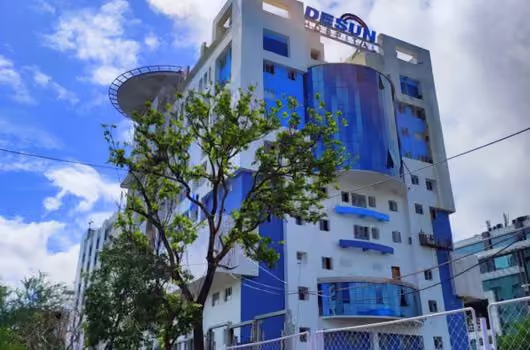
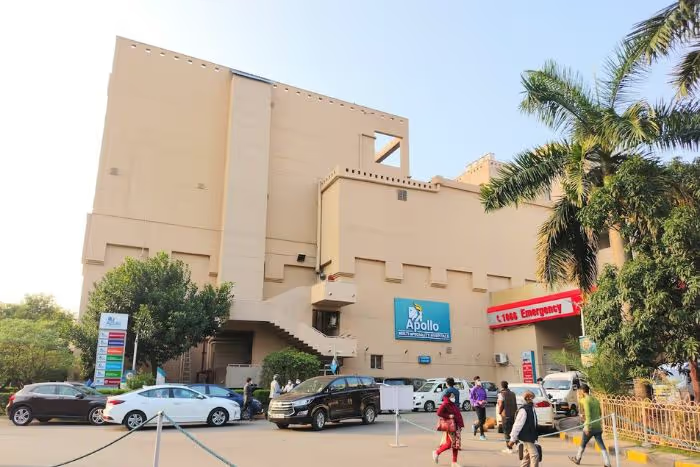
Bangla Health Connect connects Bangladeshi patients with leading hospitals that specialise in orthopaedics, sports medicine, and advanced joint and shoulder repair surgeries. These hospitals are known for their expert orthopaedic surgeons, modern arthroscopic technology, and comprehensive rehabilitation programmes that help patients regain full joint strength, flexibility, and function after injury.
Some of the leading hospitals are:


.avif)

.avif)
.avif)
.avif)
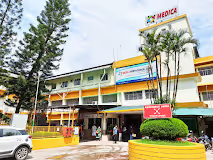
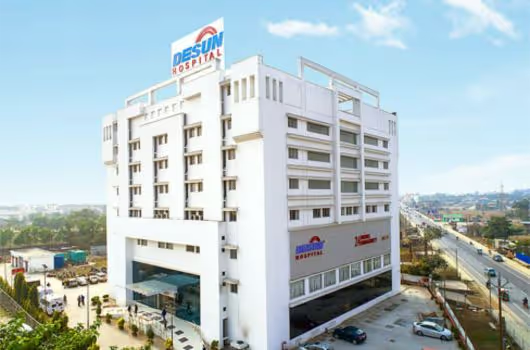
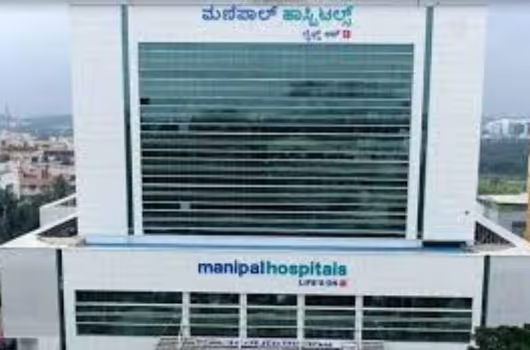


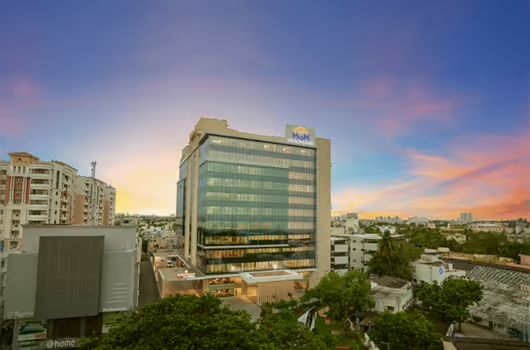
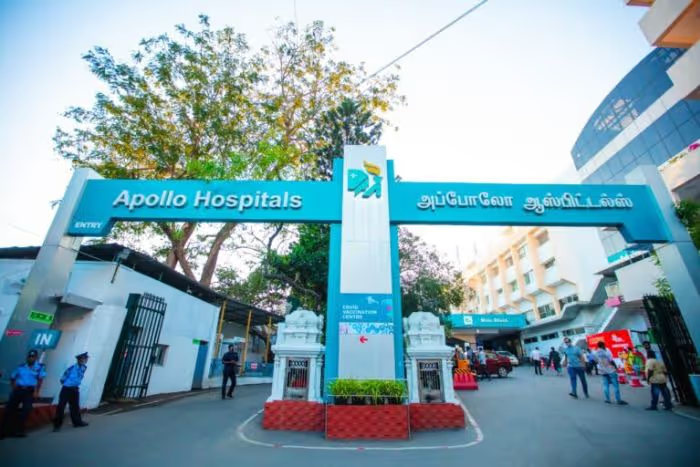
.avif)
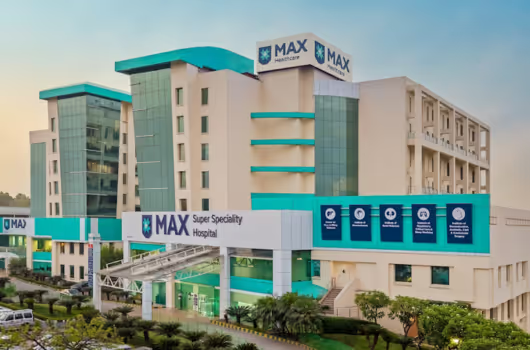

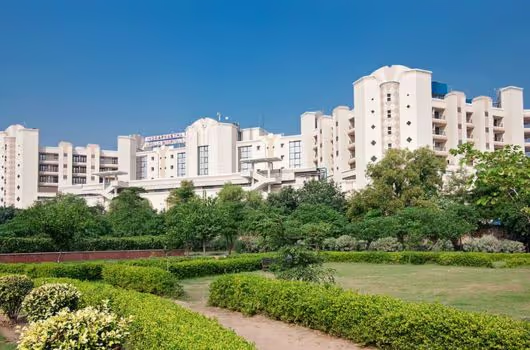



.avif)
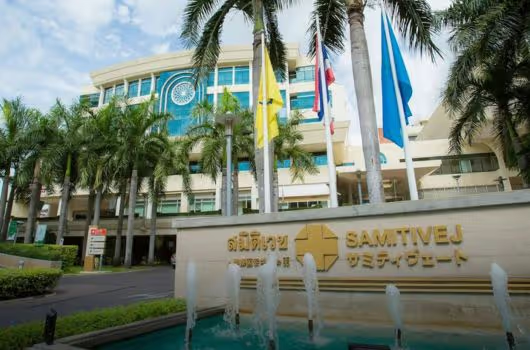
These hospitals follow international treatment guidelines and provide full support for Bangladeshi patients through Bangla Health Connect.
The average cost for Meniscus and Rotator Cuff Repair ranges from $900 to $1,800 in India, and in Thailand it ranges from $3,100 to $7,800. The final cost can vary depending on several factors such as the type of surgery, hospital location, and extent of injury. Before viewing the detailed treatment-wise cost table, it’s important to understand what affects these expenses the most.
Note: India is well known for offering cost-effective advanced treatment. Hospitals combine affordability with strong clinical outcomes, supported by skilled experts and the widespread availability of generic medicines.
Note: Thailand’s hospitals are often promoted as premium destinations for international patients. Their higher costs reflect the use of advanced imported medicines, luxury infrastructure, and all-inclusive patient care packages.
The costs listed are approximate and may vary based on hospital, location, and patient needs. Consult the healthcare provider for accurate and updated information.
The currency conversion rates in the table above are based on data from April 2026.
For more help on cost estimates and personalised guidance, contact Bangla Health Connect.
Success in meniscus and rotator cuff repair means the injury is healed or stabilised, and the patient regains normal joint function for daily activities and sports.
A review of 12 studies involving 864 patients found that meniscus repair surgery has an overall failure rate of 19.1% at an average follow-up of 86 months, meaning the success rate is about 80.9%. The outcomes were similar whether the repair was done with or without anterior cruciate ligament (ACL) reconstruction and whether it involved the lateral or medial meniscus. Tear type, vertical/longitudinal or bucket-handle, also did not significantly affect results.
Top hospitals adopt a comprehensive, patient-focused approach to treating meniscus injuries, aiming for joint preservation, pain relief, and full knee function recovery. Their approach includes:
This holistic and scientifically guided approach ensures optimal meniscus healing, faster recovery, and reduced risk of future joint degeneration, helping patients regain confidence in movement and return to active lifestyles.
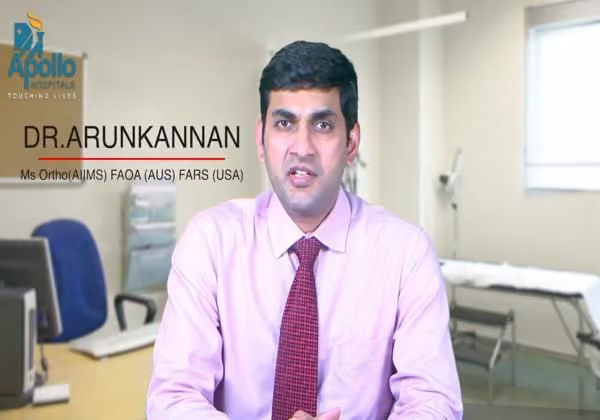
Dr. Arun Kannan, Orthopaedic Surgeon at Apollo Hospital Chennai, explains that the meniscus is a vital shock-absorbing structure in the knee that helps protect joint function. Meniscal tears can result from sports injuries, accidents, ACL instability, or age-related degeneration, causing pain, locking, and restricted movement. Diagnosis is confirmed through clinical examination and MRI. Small or early tears may respond to rest, physiotherapy, and posture modifications, but persistent symptoms or repeated locking often require arthroscopic surgery. Repair success depends on the tear’s location and blood supply, with suturing preferred in well-vascularised zones.
Bangla Health Connect helps Bangladeshi patients access safe and timely meniscus and rotator cuff repair surgery worldwide. Our team works closely with hospitals to make the entire treatment journey simple, affordable, and stress-free.
Bangla Health Connect makes this process simple and supportive, from travel arrangements to ongoing medical guidance, ensuring Bangladeshi patients receive high-quality care with peace of mind. With over 60,000 Bangladeshi patients assisted, Bangla Health Connect has built strong trust through clarity, care, and personal support.
Contact Bangla Health Connect today to begin your treatment journey with trusted support every step of the way.
Note: Bangla Health Connect does not provide medical advice of any kind.
✅ Share Your Reports - Bangla Health Connect connects you with trusted hospitals worldwide.
✅ Get treatment plans from leading Hospitals worldwide
✅ Choose the one that fits you
✅ Let us handle the rest
A meniscus injury is a tear in the cartilage of the knee, while a rotator cuff injury affects the group of tendons and muscles in the shoulder. Both can cause pain, swelling, and limited movement.
They are diagnosed through a physical examination and imaging tests such as MRI, ultrasound, or X-rays. These tests help doctors determine the size and location of the tear. Always consult a qualified orthopaedic specialist for accurate diagnosis and appropriate testing.
Meniscus tear treatment may include physiotherapy, medication, or arthroscopic repair surgery, which offers faster recovery and minimal scarring. Only a medical professional can recommend the most suitable treatment after a thorough assessment.
Rotator cuff surgery is often performed arthroscopically for quicker healing and smaller scars, followed by physiotherapy for full recovery. Follow your surgeon’s advice for a safe and effective recovery.
The hospital stay is usually 2 to 5 days. Most patients stay for 2 to 3 weeks to complete initial recovery and begin physiotherapy before returning home. Always follow your surgeon’s advice and confirm the expected stay with your treatment team.
Yes. Bangla Health Connect assists with doctor appointments, visa support, hospital admission, surgery planning, travel arrangements, and full guidance during your stay abroad.


DISCLAIMER: THIS WEBSITE DOES NOT PROVIDE MEDICAL ADVICE
The information, including but not limited to, text, graphics, images and other material contained on this website are for informational purposes only. No material or content on this site is intended to be a substitute for professional medical advice, diagnosis, or treatment. Always seek the advice of your physician or other qualified health care provider with any questions you may have regarding a medical condition or treatment and before undertaking a new health care regimen, and never disregard professional medical advice or delay in seeking it because of something you have read on this website - www.banglahealthconnect.com

.png)



.png)
.png)