
Pregnancy is the natural process where a fertilised egg grows and develops inside a woman’s womb, typically lasting about 40 weeks. It begins when a sperm cell fertilises an egg during ovulation, and the embryo implants itself in the uterus. Common early signs of pregnancy include missed periods, nausea, breast tenderness, and fatigue. Pregnancy is confirmed through a urine or blood test and monitored by healthcare professionals to ensure the health of both the mother and baby throughout the stages.
Miscarriage, also known as spontaneous abortion, is the unexpected loss of a pregnancy before the 20th week. It usually occurs when the developing baby (embryo or foetus) cannot grow normally due to genetic or health-related issues. Many people simply refer to it as "pregnancy loss" or "miscarriage."
In the early stages, miscarriage may show signs like vaginal bleeding, cramping, or a sudden stop in pregnancy symptoms, though some miscarriages occur silently with no clear warning. Because of this, early medical check-ups are crucial during pregnancy. While miscarriage can be emotionally devastating, it is common and often happens due to reasons beyond a woman’s control.
A common misunderstanding is that miscarriage is caused by stress or minor lifestyle mistakes, but most cases are linked to chromosomal issues. Many also wrongly believe it makes future pregnancy impossible, while in truth, most women go on to have healthy pregnancies afterwards.
Understanding miscarriage, its causes, signs, emotional impact, and recovery options helps women and families seek timely medical care, emotional support, and make informed decisions about trying again safely.
A molar pregnancy is a rare type of pregnancy complication where abnormal tissue, instead of a healthy embryo, grows inside the uterus due to a problem during fertilisation. It is also called a “mole pregnancy” and can be either complete (no baby forms) or partial (an abnormal embryo forms but cannot survive). Common signs include heavy vaginal bleeding, severe nausea, unusually high pregnancy hormone levels, and sometimes passing cyst-like tissue. Although it may seem like a miscarriage, a molar pregnancy requires different treatment, usually a minor surgical procedure to remove the abnormal tissue, followed by close medical monitoring. Early diagnosis is important to prevent complications and ensure proper recovery.
People need miscarriage treatment to safely remove any remaining pregnancy tissue, prevent infection, manage bleeding, and support physical and emotional recovery. In some cases, the body may pass the tissue naturally, but medical or surgical treatment is often recommended to ensure complete recovery and avoid complications. Timely treatment also helps prepare the body for future healthy pregnancies and gives women the emotional support they need after a loss.
A miscarriage happens when a pregnancy ends on its own before the 20th week. Though it’s often out of a woman’s control, several factors can increase the risk:
Understanding the early signs of pregnancy and the signs of miscarriage is important for every woman, especially during the first few weeks. While some symptoms may feel similar, knowing the difference can help you take timely action and seek the right medical care when needed.
The symptoms may vary from person to person. Bleeding or pain during pregnancy does not always indicate a miscarriage. Always consult a qualified gynaecologist for proper evaluation and diagnosis if you experience any unusual symptoms.
These symptoms lead to treatment when a doctor confirms that a miscarriage has occurred or is likely to happen. If there is heavy bleeding, severe pain, or tissue passing from the vagina, medical intervention is often needed to prevent complications and ensure complete recovery. In some cases, if the miscarriage is incomplete or missed, treatment such as medication or a minor surgical procedure (D&C) may be recommended.
Early detection of miscarriage helps ensure proper care and reduces health risks. If a woman experiences warning signs, a doctor may use the following methods to confirm:
Recovering from a miscarriage involves both physical healing and emotional support. Every woman’s body is different, but bleeding usually lasts for 1 to 2 weeks, with the heaviest flow in the first few days. Some women may experience light spotting for a bit longer. It’s important to rest, stay hydrated, and follow your doctor’s advice during this time.
One common concern among women is: how many days of bleeding after miscarriage? is considered normal. While light to moderate bleeding for up to two weeks is typical, any excessive bleeding, foul-smelling discharge, or high fever should be reported to a doctor immediately.
Another concern is how long after miscarriage can one have intercourse?. Most doctors recommend waiting until the bleeding has completely stopped and your body feels ready, usually around 2 weeks, to reduce the risk of infection. However, emotional readiness is just as important. Give yourself time, and speak with your doctor before resuming sexual activity or planning to conceive again.
Always consult your doctor for personalised recommendations, especially if you experience prolonged bleeding, severe pain, or signs of infection.
Trying to conceive? Here are the top 10 best ways to conceive (get pregnant), based on expert advice and natural methods that improve your chances:
Always consult a gynaecologist or fertility specialist before starting any treatment or lifestyle changes to improve your chances of conception.
If you experience any of these symptoms of miscarriage or have concerns about your recovery, it is important to seek medical advice promptly. Early care can help prevent complications. If you or your loved ones need guidance or specialist support, Bangla Health Connect can connect you with experienced healthcare professionals to ensure you receive the best care possible.
.png)
Through Bangla Health Connect, Bangladeshi women can access world-class hospitals in India, Thailand, and other countries that specialise in comprehensive maternity and miscarriage care. Many patients travel abroad to ensure safe pregnancy management, accurate diagnosis, and expert treatment for complications that may not always be available locally.
For Bangladeshi patients, Bangla Health Connect offers a trusted path to expert pregnancy and miscarriage care, combining medical excellence, emotional support, and advanced maternal health services in some of the world’s leading hospitals.
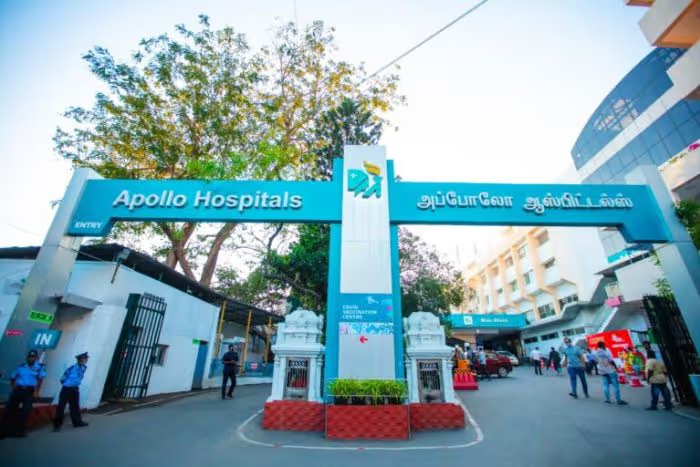
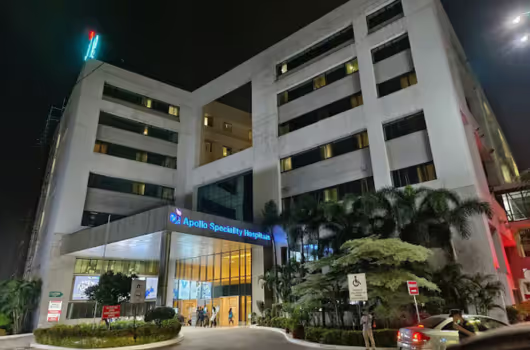
Bangla Health Connect connects Bangladeshi women with leading hospitals that specialise in obstetrics, gynaecology, and reproductive medicine. These centres are known for their expert maternity care teams, advanced diagnostic facilities, and compassionate miscarriage management services. Patients receive personalised care throughout pregnancy, including prenatal check-ups, foetal monitoring, delivery support, and postnatal recovery.


.avif)



.avif)
.avif)

.avif)






.avif)






.avif)



These hospitals follow international treatment guidelines and provide full support for Bangladeshi patients through Bangla Health Connect.
On average, the cost ranges from $1,100 to $2,100 in India and from $3,800 to $6,400 in Thailand. The final cost may vary based on multiple factors such as the treatment method, hospital location, and type of care. Before viewing the detailed table of treatment-wise costs, it's helpful to understand what influences these expenses most.
Several factors can affect the total cost of pregnancy and miscarriage care:
Note: India is well known for offering cost-effective advanced treatment. Hospitals combine affordability with strong clinical outcomes, supported by skilled experts and the widespread availability of generic medicines.
Note: Thailand’s hospitals are often promoted as premium destinations for international patients. Their higher costs reflect the use of advanced imported medicines, luxury infrastructure, and all-inclusive patient care packages.
The costs listed are approximate and may vary based on hospital, location, and patient needs. Consult the healthcare provider for accurate and updated information.
The currency conversion rates in the table above are based on data from December 2025.
For more help on cost estimates and personalised guidance, contact Bangla Health Connect.
A study comparing IVF outcomes[9] found that frozen embryo transfer (FET) led to higher success rates than fresh embryo transfer (ET). Fertility was achieved in 28.6% of FET patients versus 19.2% in fresh ET. The FET group also showed better clinical, ongoing, and live birth rates, along with lower risks of multiple pregnancies, miscarriage, preterm delivery, and low birth weight. Overall, FET resulted in more successful and safer pregnancy outcomes compared to fresh ET.
Success in pregnancy and miscarriage care means the mother receives the right support, recovers safely, and is physically and emotionally stable after treatment.
Leading hospitals abroad adopt a comprehensive, patient-centred approach to managing pregnancy and miscarriage care, focusing on early diagnosis, personalised treatment, and emotional support. Their approach includes:
This integrated and compassionate approach ensures safe pregnancies, timely intervention, and holistic recovery, helping women regain confidence and prepare for healthy future pregnancies.
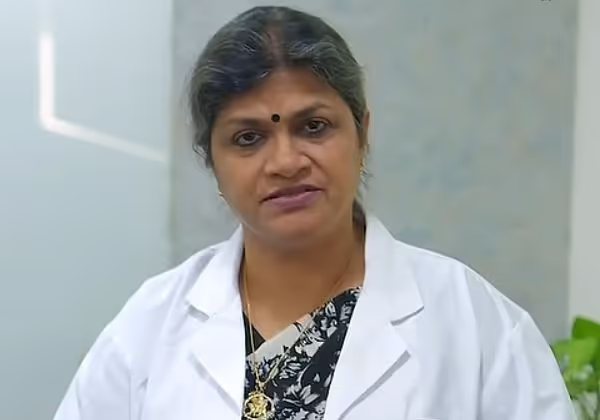
Dr. Anuradha Kapur, Senior Director, Obstetrics & Gynaecology at Max Smart Super Speciality Hospital, Saket, explains:
Recurrent pregnancy loss affects about 1-5% of women and is defined as two or more consecutive miscarriages. Common causes include medical conditions such as diabetes or hypothyroidism, uterine abnormalities like septum, fibroid, or polyp, and chromosomal problems, including parental karyotype issues. In some cases, no clear cause is identified.
When the cause is treated through medication, surgical correction, or genetic counselling with IVF and PGD, many cases can be managed successfully. Even when no cause is found, around 65% of women conceive in their third or fourth pregnancy. She advises women to consult their obstetrician and not lose hope.
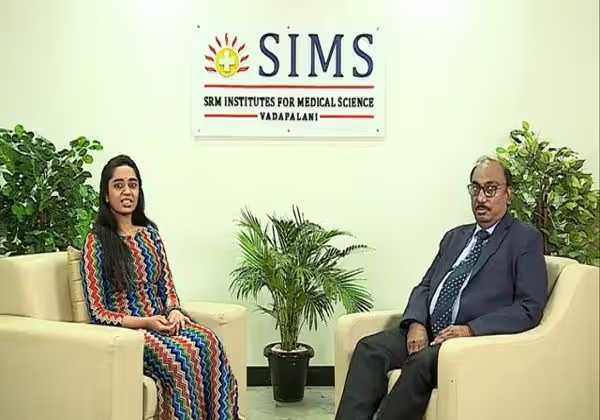
Dr. P. M. Gopinath, Director & Senior Consultant, Obstetrics, Gynaecology & IVF at SIMS Hospital, Chennai, explains:
Difficulty in achieving pregnancy can be related to women’s health factors, including age, ovarian reserve, blocked fallopian tubes, and conditions such as endometriosis. In such situations, In Vitro Fertilisation (IVF) may be considered, where fertilisation takes place outside the body and the embryo is transferred into the uterus.
He explains that before starting IVF, proper counselling, investigations, and patient selection are important, as success rates are limited and expectations must be realistic. Careful assessment of ovarian reserve helps doctors plan treatment and counsel women appropriately.

Dr. S Abirami, Obstetrician & Gynaecologist at Apollo Women's Hospital, Chennai, explains that high-risk pregnancies are characterised by maternal age below 17 or above 35, pre-existing health conditions like diabetes, hypertension, or heart disease, and complications such as recurrent miscarriages, multiple pregnancies, or fetal anomalies. These require specialised care to protect both mother and baby. She notes a 15 to 20% rise in high-risk cases in recent years and stresses the need for comprehensive support across all stages, from preconception to postnatal care. With the right medical infrastructure and expert supervision, most high-risk pregnancies can be successfully managed to achieve healthy outcomes.
Bangla Health Connect helps Bangladeshi women access safe and timely pregnancy and miscarriage care worldwide. The team helps to make every step of your medical journey smooth and supportive.
Bangla Health Connect makes this process simple and supportive, from travel arrangements to ongoing medical guidance, ensuring Bangladeshi patients receive high-quality care with peace of mind.
With over 60,000 Bangladeshi patients assisted, Bangla Health Connect has built strong trust through clarity, care, and personal support.
Contact Bangla Health Connect today to begin your treatment journey with trusted support every step of the way.
Note: Bangla Health Connect does not provide medical advice of any kind.
At 22 weeks of pregnancy, a 30-year-old woman was admitted with severe, life-threatening bleeding caused by placenta praevia with placenta increta–percreta. The condition posed a serious risk to her life and required urgent medical intervention.
Doctors managed the bleeding using uterine artery embolization, a minimally invasive procedure that avoided open surgery and general anaesthesia. The treatment successfully controlled the haemorrhage and preserved the uterus.
Following the procedure, the patient remained stable and recovered well. She was discharged five days later, in good condition, demonstrating how advanced, minimally invasive care can be critical in managing complex pregnancy complications.
A patient undergoing infertility treatment at Samitivej Hospital, Bangkok, began her journey with assisted fertilisation, where sperm and egg were combined to form an embryo. To improve the chances of pregnancy, an embryo with a normal chromosome count was carefully selected and implanted in the uterus.
Within two weeks, the patient was able to know whether the treatment had resulted in pregnancy. Her care was provided by a multidisciplinary fertility team, led by Dr. Boonsaeng Wutthiphan, who specialises in reproductive medicine.
The fertility programme reports an overall success rate of 43%, with a 63% success rate for patients aged 35 years and above. The use of pre-pregnancy genetic screening also helps reduce the risk of inherited genetic conditions, supporting safer fertility outcomes for patients.
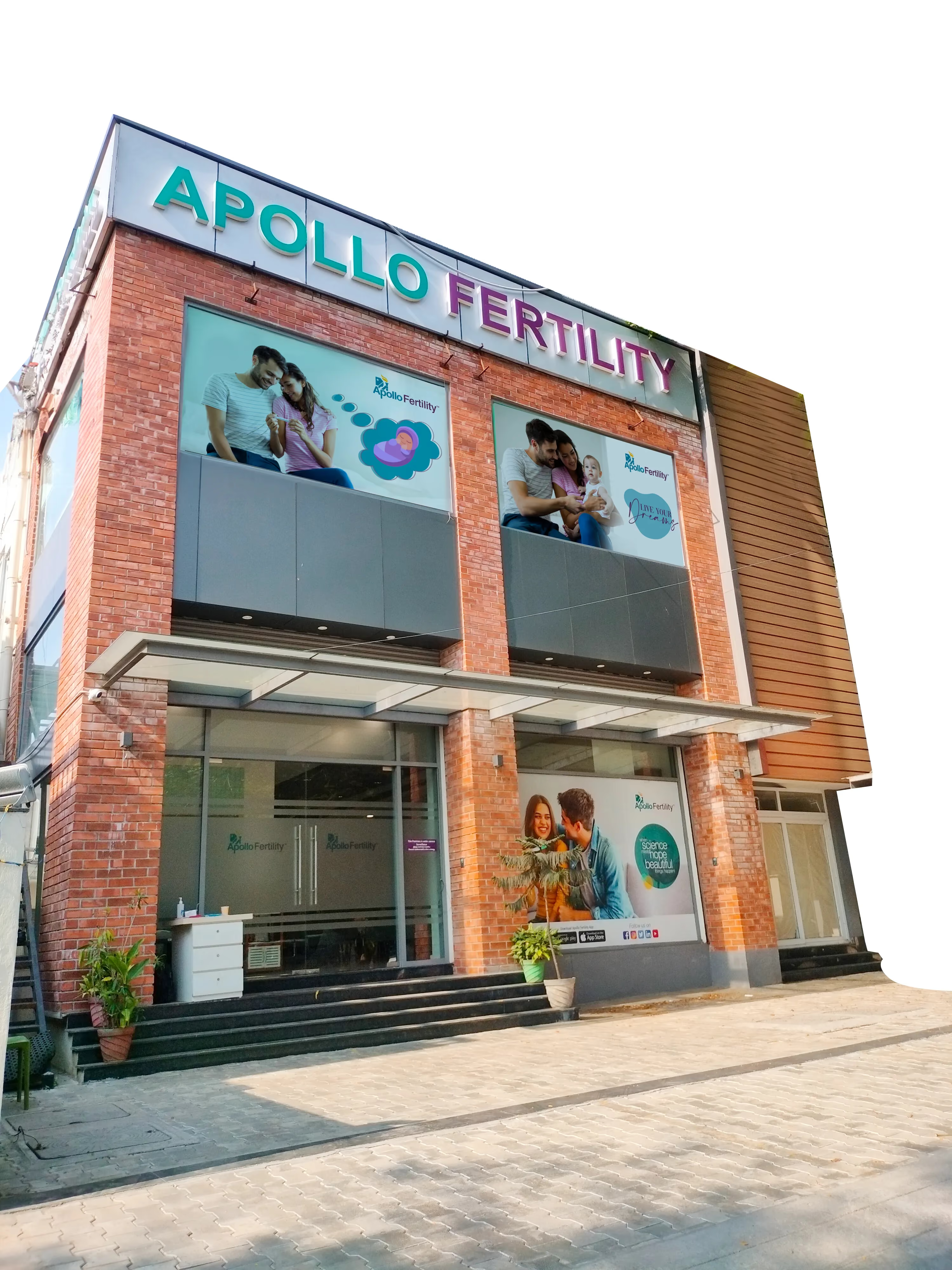
After six years of struggling with infertility and multiple failed treatments in Bangladesh, Mr. and Mrs. Rahman from Dhaka turned to Apollo Fertility, Chennai, for help. Under the expert guidance of Dr. Dakshayani and her dedicated team, the couple received a customised IVF treatment plan tailored to their specific needs. Their journey brought them renewed hope and ultimately joy, as they welcomed their baby following a successful first IVF cycle. The couple expressed heartfelt gratitude for the compassionate care and support provided throughout their treatment experience.
✅ Share Your Reports - Bangla Health Connect connects you with trusted hospitals worldwide.
✅ Get treatment plans from leading Hospitals worldwide
✅ Choose the one that fits you
✅ Let us handle the rest
A high-risk pregnancy involves health conditions or complications that can affect the mother or baby. These include maternal age (below 17 or above 35), diabetes, high blood pressure, multiple pregnancies, or a history of miscarriage. Always consult your gynaecologist for a personalised evaluation and management plan.
Treatment depends on the type and stage of miscarriage. Options include medication to help the body expel pregnancy tissue or a minor surgical procedure called D&C (dilation and curettage) if needed. Emotional support and medical follow-up are also important. Do not self-medicate or delay medical care. Always seek guidance from a qualified healthcare professional.
After a miscarriage, it’s important to rest, follow your doctor’s advice, and allow your body to recover. You may need tests to understand the cause. Counselling and support are available to help you cope emotionally and prepare for future pregnancies.
Yes. Many women go on to have healthy pregnancies after a miscarriage. With proper medical care and monitoring, your chances of success are high. It is advisable to consult a gynaecologist before trying again.
The stay depends on the type of care you need. For miscarriage management or evaluation, 1 to 2 weeks may be enough. For delivery or advanced treatment, a longer stay of 3 to 5 weeks may be recommended.
Yes. Bangla Health Connect helps you with doctor appointments, visa processing, hospital admission, and treatment planning. We guide you at every step to ensure a smooth and safe experience.
Absolutely. Our team provides airport pickup, hospital navigation, interpreter services if needed, and regular support during your treatment journey.
Yes. Bangla Health Connect arranges medical visa invitation letters from hospitals and offers complete assistance with the visa application process.


DISCLAIMER: THIS WEBSITE DOES NOT PROVIDE MEDICAL ADVICE
The information, including but not limited to, text, graphics, images and other material contained on this website are for informational purposes only. No material or content on this site is intended to be a substitute for professional medical advice, diagnosis, or treatment. Always seek the advice of your physician or other qualified health care provider with any questions you may have regarding a medical condition or treatment and before undertaking a new health care regimen, and never disregard professional medical advice or delay in seeking it because of something you have read on this website - www.banglahealthconnect.com

.png)



.png)
.png)